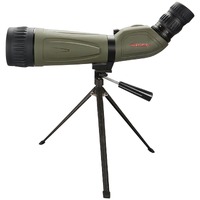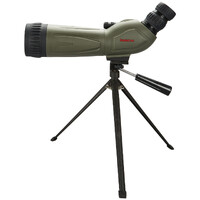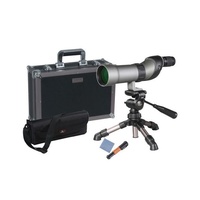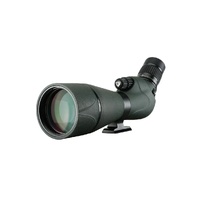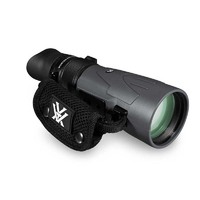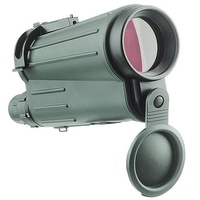

Spotting Scopes
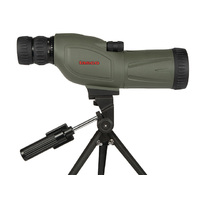
Spotting scopes are high-magnification optical devices designed for long-range stationary observation and target identification during outdoor shooting and hunting. Built for tripod mounting, they bridge the gap between dual-eye search optics and firearm sights by delivering high optical clarity and variable zoom across expansive outdoor distances.
Types of Spotting Scopes
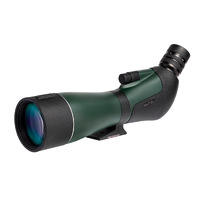
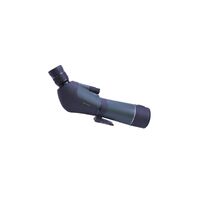
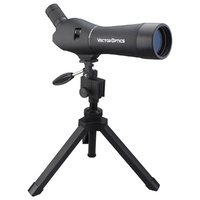
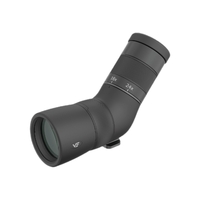
- Angled Spotting Scopes — Best for viewing from low tripod heights, seated positions, or uphill observation, allowing multiple viewers of different heights to share an optic without adjusting tripod elevation.
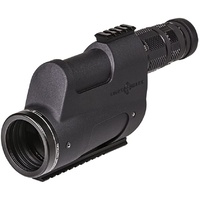
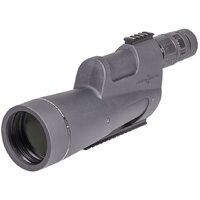
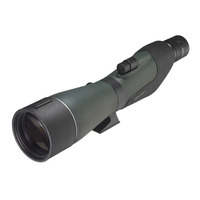
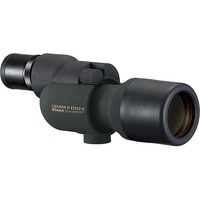
- Straight Spotting Scopes — Best for rapid target acquisition from vehicle window mounts, standing setups, or downhill viewing where aligning the eye directly along the optical barrel is essential.
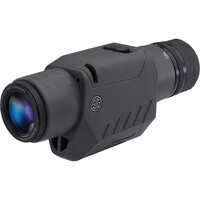
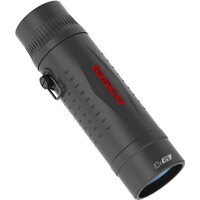
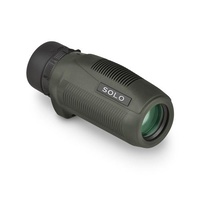
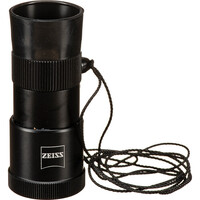
- Compact Monoculars — Best for mobile backpackers needing lightweight, portable single-eye observation where carrying a full-sized tripod and body is impractical.
How to choose
- Zoom Magnification — Select a 20x to 60x variable zoom range to balance wide field-of-view target locating at 20x with detailed target resolution at 60x.
- Objective Lens Diameter — Choose a 60mm objective lens for a balanced pack weight, or step up to 80mm or larger if maximum light transmission in dawn and dusk conditions is required.
- Tripod Compatibility — Ensure the optical body features a standard 1/4-inch-20 mounting thread to maintain complete stability and eliminate vibration at magnifications above 20x.
How this differs from related categories
- Binoculars — Binoculars provide handheld, dual-eye scanning below 12x magnification, whereas spotting scopes require tripod mounting for high-magnification single-eye inspection at 20x and above.
- Rifle Scopes — Rifle scopes feature internal aiming reticles and mount directly to firearm rails, whereas spotting scopes are dedicated standalone observation optics.
- Range Finders — Range finders emit laser pulses to calculate direct numerical distance, whereas spotting scopes focus purely on high-magnification optical resolution.
Spotting Scopes & Observation Optics: Professional FAQ
Why do I need a spotting scope if I already own good binoculars?
Binoculars (8x to 12x) are perfect for scanning wide areas. A spotting scope (20x to 60x) is used for detailed evaluation. Xhunter AU experts strongly recommend using a spotting scope to count antler tines at 800 meters or to spot bullet impacts at 300 meters without walking downrange.
Should I buy an "Angled" or "Straight" spotting scope?
An angled spotting scope is more comfortable for looking uphill and sharing with partners. A straight spotting scope is easier to aim quickly and ideal for vehicle window mounts. Xhunter AU specialists advise angled scopes for bench shooting and straight scopes for mobile hunters.
What does the objective lens size mean for my hunting?
Larger lenses (80mm+) gather more light for clearer images at dawn and dusk but are heavier. Xhunter AU experts recommend compact 50mm–65mm scopes for backcountry pack hunters to save weight, while 80mm+ models are the gold standard for range work.
Is more magnification (like 60x or 80x) always better?
Not necessarily. High magnification can shrink your field of view and magnify "heat mirage." Xhunter AU specialists advise that the "sweet spot" for clarity is between 20x and 40x; use 60x zoom only on very clear, cool days.
What is "ED" or "HD" Glass, and is it worth the extra cost?
ED (Extra-Low Dispersion) or HD glass prevents chromatic aberration (color fringing). Xhunter AU highly recommends investing in ED glass if you spend hours glassing, as it drastically reduces eye fatigue and delivers true-to-life color.
Can I use a spotting scope without a tripod?
No. At high magnification, even your heartbeat causes image shake. Xhunter AU experts strictly advise purchasing a sturdy tripod with a "fluid pan head" to utilize the optic's full potential.
What is "Eye Relief" and why does it matter?
Eye relief is the optimal distance from the eyepiece to your eye. If you wear glasses, Xhunter AU recommends looking for a spotting scope with generous eye relief (15mm or more) and twist-up eyecups.
What is "Digiscoping" and can I use my smartphone with these scopes?
Digiscoping is attaching a smartphone to record long-range photos or video. Xhunter AU specialists strongly suggest purchasing a compatible digiscoping adapter to record target impacts or share trophy sightings.
Are spotting scopes completely waterproof?
Yes, premium scopes at Xhunter AU (such as Vortex and Athlon models) are O-ring sealed and Argon/Nitrogen purged. They are 100% waterproof and internally fog-proof, even in the freezing Victorian high country.
Why should I buy my spotting scope from Xhunter AU?
Xhunter AU is an authorized dealer for the world's best optical brands, providing fully supported local lifetime warranties. Our Xhunter AU experts help you match your scope with the right tripod and accessories for your specific needs.