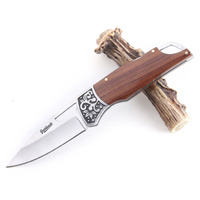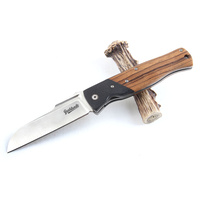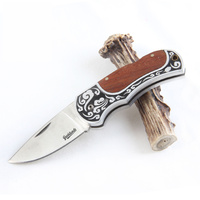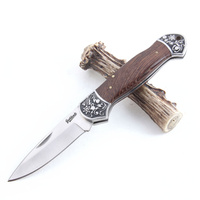

Hunting Knives Australia
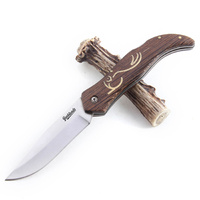
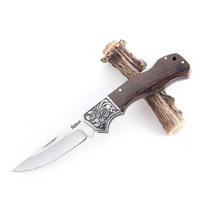
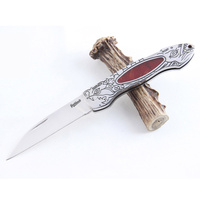
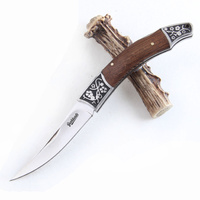
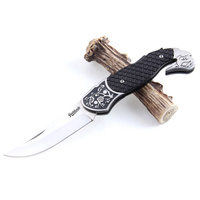
Hunting knives are sturdy fixed and folding blades designed to field dress, skin, and process game in the field. Built with robust spines and resilient edge geometry, they provide hunters with the reliable cutting power needed to process animals, prepare camp, and perform demanding outdoor tasks in rugged environments.
Types of Hunting Knives
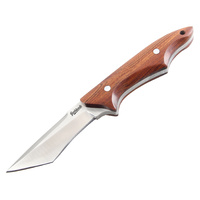
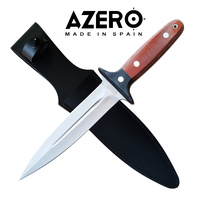
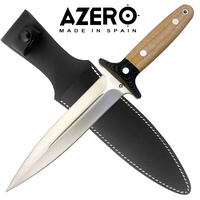
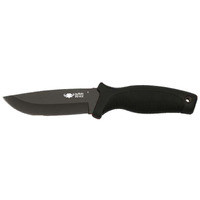
- Fixed blade hunting knives — Best suited for heavy-duty field work and camp tasks where maximum structural strength is required, as the lack of moving parts ensures reliability under heavy pressure.
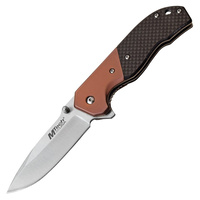
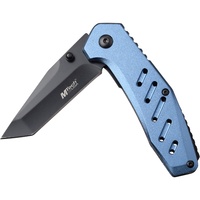
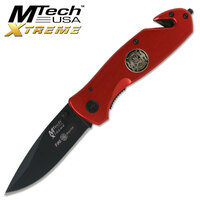
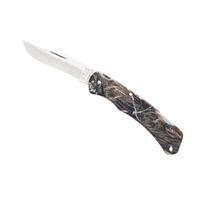
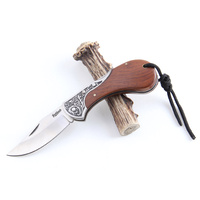
- Folding pocket hunting knives — Ideal for lightweight, compact carry during general outdoor adventures and small game tasks, offering safe pocket transport when not in use.
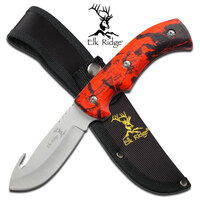
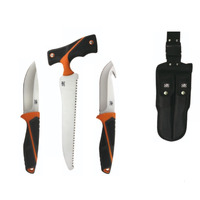
- Skinning and gut hook hunting knives — Designed specifically for precise field dressing and processing, allowing hunters to open hides cleanly without puncturing internal organs.
How to choose
- Overall Length (7.0 to 15.0 Inches): Choose a compact overall length of 7.0 to 10.0 inches for precise, detailed skinning tasks, or step up to 10.5 to 15.0 inches for heavy chopping and butchering.
- Blade Length (3.0 Inches to 18.0 Centimetres): Select a shorter 3.0-inch blade for intricate cape work and small game, whereas larger game processing and heavy camp utility require a robust blade up to 18.0 centimetres.
- Blade Construction: Select a fixed blade for maximum structural integrity during heavy bone contact, or a lockback folding mechanism when space-saving portability is your primary concern.
How this differs from related categories
- Skinning Knives: Hunting knives offer general-purpose utility and stouter points, whereas skinning knives feature highly specialised, swept-back curved edges designed strictly for slicing hide.
- Tactical Knives: Hunting knives focus on food safety, game processing, and woodcraft, while tactical knives prioritise self-defence, rapid deployment, and combat ergonomics.
- Deboning Fillet Knives: Hunting knives utilise thick, rigid spines to withstand heavy pressure, while fillet knives feature thin, highly flexible blades designed for navigating around delicate fish bones.
- Pocket Folding Knives: Hunting knives feature reinforced pivots, lockouts, and slip-resistant handles engineered for harsh outdoor environments, whereas pocket folding knives are optimised for lightweight, everyday urban carry.
Frequently Asked Questions
Should I choose a fixed blade or a folding hunting knife?
A fixed blade is recommended for processing large game or heavy camp chores, as its solid full-tang construction has no moving parts to break or trap animal fats. A folding hunting knife is best when space and weight are limited, providing safe pocket carry for lighter tasks and small game dressing.
What is the benefit of a gut hook on a hunting knife?
A gut hook is a specialised sharpened groove on the spine of the blade designed to unzip an animal's hide cleanly. This feature allows the hunter to slice upward through the skin without the blade tip puncturing the internal organs, preserving the quality of the meat.
Why is blade spine thickness important for hunting knives?
Hunting knives typically feature a robust spine thickness of 3mm to 5mm to withstand the lateral pressure of splitting joints or carving through tough cartilage. This thick spine provides the strength needed for heavy work, which prevents the blade from snapping compared to thin, flexible utility knives.
How do I maintain my hunting knife's edge during a long field trip?
To maintain your edge in the field, use a compact pocket sharpener or field hone to touch up the bevel after every dressing session. Cleaning the blade immediately with water and drying it thoroughly prevents blood and moisture from corroding the steel, especially on high-carbon blades.