
Skinning Knives
Skinning knives are specialised blades engineered with pronounced curved bellies to cleanly separate hide from meat during game processing. Designed to slice smoothly along muscle tissue without puncturing the underlying flesh, they provide hunters with the precise edge geometry required for efficient field dressing and hide preservation.
Types of Skinning Knives
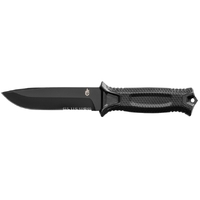
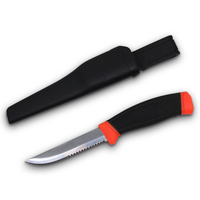
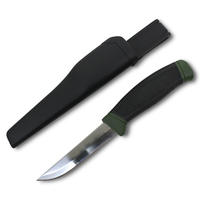
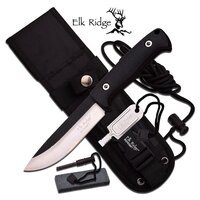
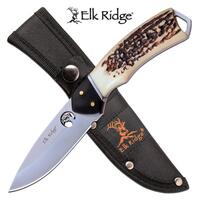
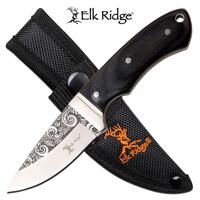
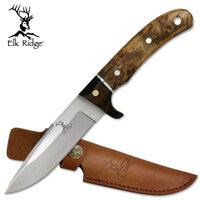
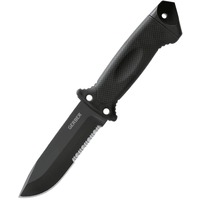
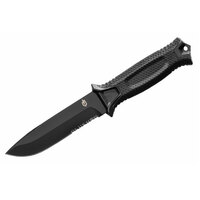
- Fixed-blade skinning knives — Suit heavy-duty field dressing on large game where maximum structural strength, rigid control, and easy hygiene cleaning are required.
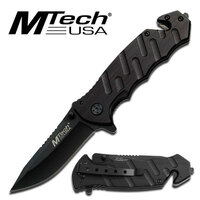
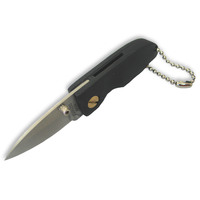
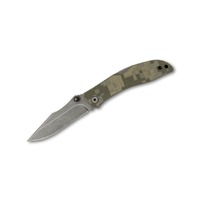
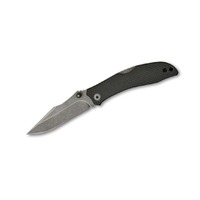
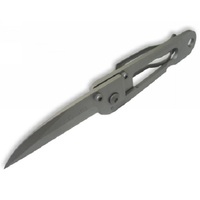
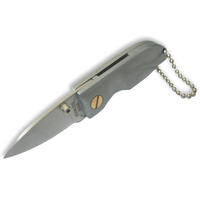
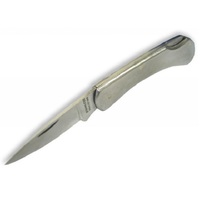
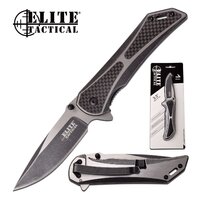
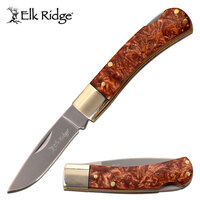
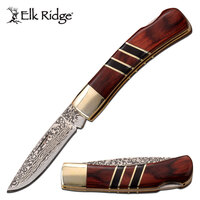
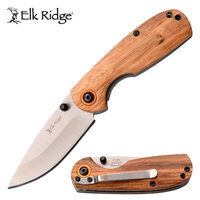
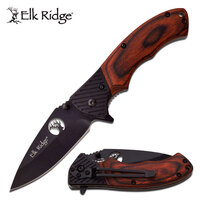
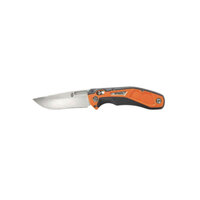
- Folding skinning knives — Suit hunters prioritising compact, pocket-friendly carry for opportunistic field use and lighter game preparation.
How to choose
- Overall length — Choose compact models measuring around 4.5 inches to 7 inches for nimble control around tight caping contours, or select blades reaching up to 10.5 inches for broad, sweeping hide-separation strokes on large carcasses.
- Blade profile geometry — Select trailing point or sharpfinger styles for an aggressive swept-back belly that maximises cutting surface, or choose drop point designs when puncture resistance near internal organs is paramount.
- Deployment format — Choose fixed-tang construction for continuous heavy butchering that eliminates internal hinge dirt, or folding mechanisms when saving pack space takes priority.
How this differs from related categories
- Fixed Blade Knives: Skinning knives feature broad, deeply curved cutting bellies rather than general-purpose straight edges.
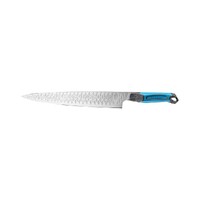
- Deboning Fillet Knives: Skinning knives have shorter, rigid profiles rather than flexible, slender blades built for trimming closely along bone structures.
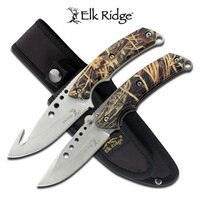
- Gut Hook Blades: Skinning knives rely on a smooth, continuous spine rather than an integrated gutting notch.
Frequently Asked Questions
Why does a skinning knife have a deep curved belly?
The pronounced curve provides a long continuous cutting edge for sweeping slicing motions. This profile distributes cutting pressure evenly against hide while keeping the tip tilted away, reducing the risk of piercing internal organs or damaging meat.
Should I choose high-carbon steel or stainless steel for a skinning knife?
High-carbon Swedish steel provides exceptional edge retention and takes a razor-sharp edge during extended skinning sessions, though it requires prompt drying and oiling to prevent rust. Stainless steel offers superior corrosion resistance against animal blood and moisture, making cleanup faster in wet field conditions.
Which handle material offers the best grip when wet with blood?
Textured synthetic scales, rubberised grips, and machined composites provide superior non-slip traction compared to smooth polished wood when hands are wet or greasy. Secure contouring and textured jimping along the spine further prevent accidental slippage during heavy dressing tasks.
How do trailing point and drop point skinning blades differ in the field?
A trailing point knife sweeps its tip upward above the spine to maximise belly length for fast, sweeping hide removal across broad flanks. A drop point lowers the point toward the blade centreline, offering greater control and preventing accidental punctures when working around delicate areas or caping a trophy.