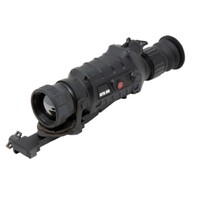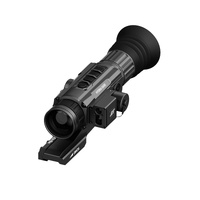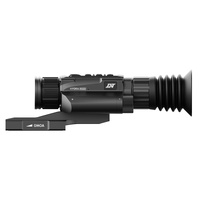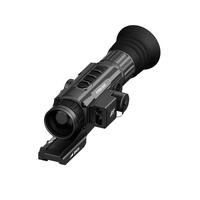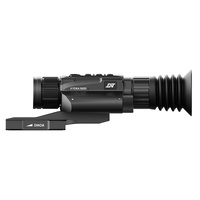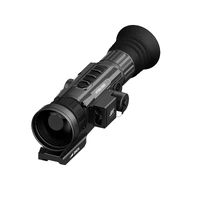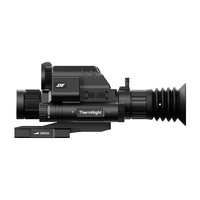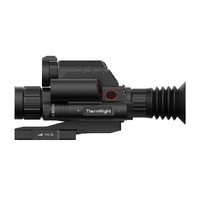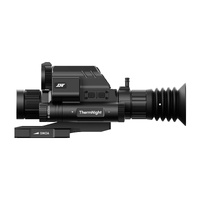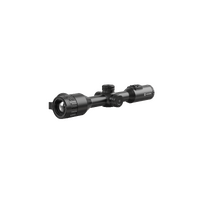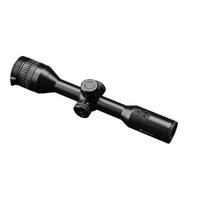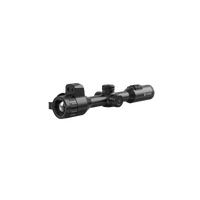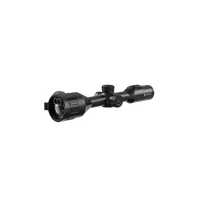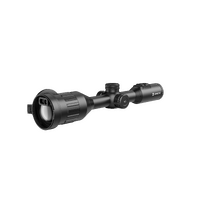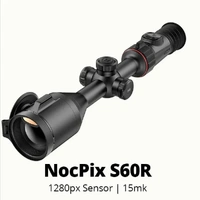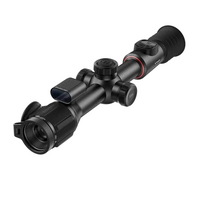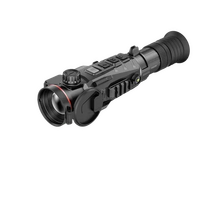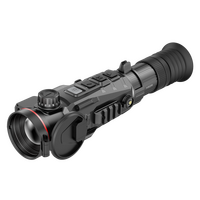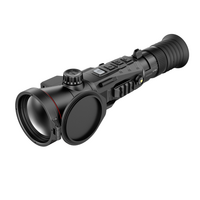

Thermal Rifle Scopes
Thermal rifle scopes from Xhunter Australia give hunters the confidence to detect and identify targets in total darkness or harsh environments. Offering long-range accuracy, advanced heat detection, and rugged durability, our thermal scopes are trusted by shooters nationwide.
Thermal Scopes & Night Optics: Professional FAQ
Thermal vs. Night Vision: Which is better for Australian hunting?
Night vision requires some ambient light (like starlight) and IR illuminators, whereas thermal scopes detect heat signatures and work in absolute darkness, fog, or thick scrub. Xhunter AU experts recommend thermal for spotting game like pigs and deer that are camouflaged or hidden in heavy cover, as their heat signature will "glow" regardless of the environment.
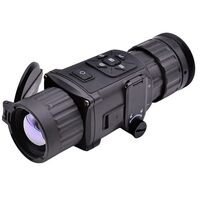
What is a Clip-on Thermal Scope and do I need to re-zero my rifle?
A clip-on thermal scope attaches to the front of your existing day scope. High-quality clip-ons are designed to maintain your day scope's zero. Xhunter AU specialists advise that while most modern units offer a "no-zero" experience, you should always perform a test shot to ensure there is no POI (Point of Impact) shift before heading into the bush.
Why does the Refresh Rate (Hz) matter in thermal imaging?
The refresh rate (measured in Hertz) determines how smooth the image looks. Standard units are 50Hz, providing a fluid image even when tracking moving animals. Xhunter AU experts warn against older or cheaper 9Hz or 30Hz units, which can look "choppy" and make it difficult to lead a moving target accurately.
What is NETD and why should I care about it?
NETD (Noise Equivalent Temperature Difference) measures the sensor's sensitivity to tiny temperature changes. A lower number (e.g., <25mK) is much better than a higher one (<40mK). Xhunter AU specialists recommend a lower NETD for hunting in high humidity or rain, where thermal contrast is usually low.
Resolution vs. Pixel Pitch: Which defines image quality?
Sensor resolution (e.g., 384x288 or 640x512) tells you the total detail, while pixel pitch (e.g., 12μm vs 17μm) affects the magnification and clarity. Xhunter AU experts prefer 12μm sensors as they allow for more magnification in a smaller unit while maintaining a crisp image.
How far can I actually see with a thermal riflescope?
There is a difference between "Detection," "Recognition," and "Identification." A high-end thermal scope might detect heat at 2,000 meters, but you may only be able to identify the animal at 400 meters. Xhunter AU suggests checking the "Identification Range" specs to ensure the optic meets your specific hunting needs.
Are thermal scopes legal for hunting in all Australian states?
Legality varies significantly. While thermal is widely used for pest control on private property, some states have restrictions on public land or for certain game species. Xhunter AU strongly advises checking your local state's game management authority (like the GMA in Victoria or DPI in NSW) to ensure you are compliant.
How long do batteries last in thermal optics?
Most units offer 4–8 hours of continuous use. Xhunter AU experts recommend models with removable, rechargeable batteries (like the 18650 or Li-ion packs) or using an external power bank via USB-C to ensure you don't run out of power during a long night stalk.
Can I use a thermal scope during the daytime?
Yes! Unlike traditional analog night vision, thermal imaging is not damaged by daylight. In fact, thermal is excellent during the day for spotting animals hidden in dense shadows or long grass that would be invisible to the naked eye or standard binoculars.
Why buy your thermal gear from Xhunter AU?
Thermal optics are a significant investment. Xhunter AU is an authorized dealer for major brands, ensuring you get the latest firmware updates and full Australian warranty support. Our Xhunter AU experts test these units in the field, so we can guide you to the right sensor and lens configuration for your budget.